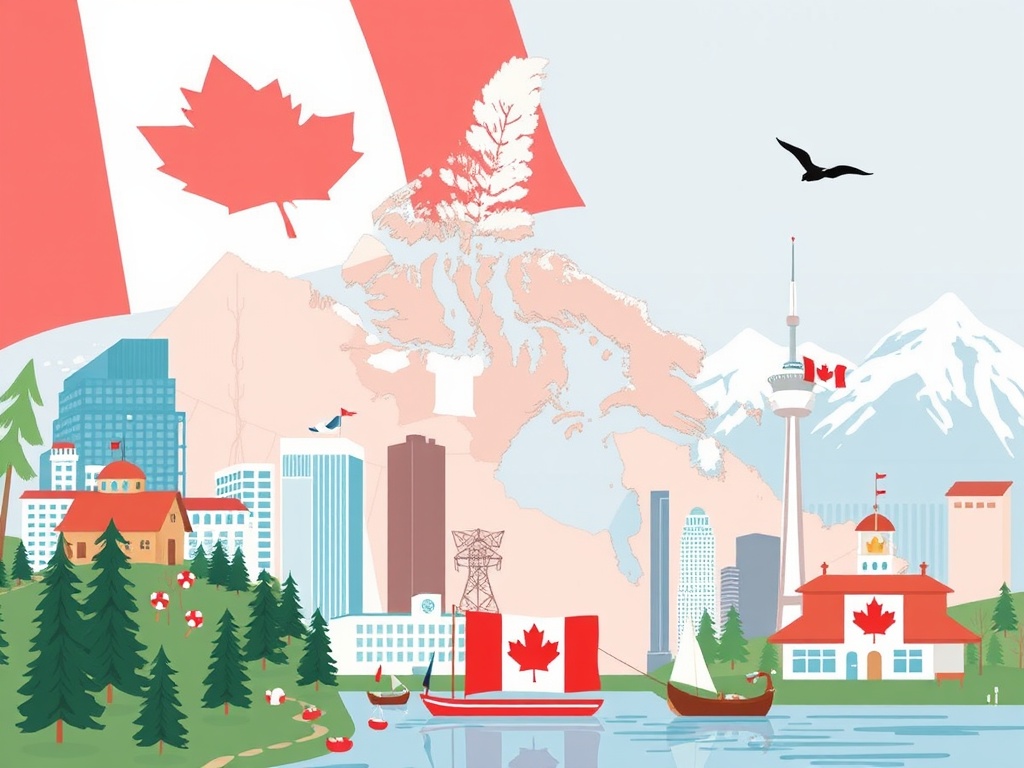
Canada’s culture is a living mosaic — shaped by Indigenous nations, waves of immigration, regional traditions, and a long relationship with the land and seasons. That blend creates a distinctive, dynamic identity that visitors and residents discover through food, festivals, language, and everyday life.
A mosaic of languages and communities
Bilingualism and multiculturalism are cornerstones of public life. English and French coexist in many parts of the country, while communities from every continent bring their languages, religions, and customs to city neighborhoods and small towns alike. Multicultural policies encourage cultural expression rather than assimilation, so you’ll find neighbourhoods where street signs, markets, and restaurants reflect a global array of languages and cuisines.
Indigenous resurgence and cultural leadership
Indigenous cultures — First Nations, Inuit, and Métis — are central to the national story. There is a visible resurgence of language programs, arts, and land-based practices led by Indigenous creators and community leaders. Powwows, storytelling events, and contemporary Indigenous music, literature, and visual art are increasingly prominent in galleries, festivals, and public life. Respectful engagement and cultural protocols matter: attending community events with curiosity and humility deepens understanding.
Food as culture: from coast to interior
Cuisine shows how local ingredients and immigrant traditions mix. Seafood features heavily on both coasts; hearty prairie fare reflects agricultural roots; and urban centers are rich with immigrant culinary scenes. Iconic comfort foods have become cultural touchstones — whether it’s the cheese-and-gravy indulgence of poutine, maple-flavored specialties, bannock in Indigenous kitchens, or dim sum in lively Chinatowns.
Farmers’ markets and food halls are excellent places to sample seasonal produce and fusion dishes that capture regional character.
Festivals, music, and screen culture
Festivals animate cities and towns year-round: international film showcases, jazz stages, cultural parades, and community arts fairs draw local and international attention. The music scene ranges from indie and folk to hip-hop and electronic acts that tour globally while staying rooted in local scenes. Homegrown filmmakers, authors, and creators contribute to a vibrant cultural export that resonates beyond borders.
Outdoor life and seasonal rituals
Outdoor recreation and nature-based rituals are woven into daily life. Cottage weekends, camping trips, and winter activities such as skating, snowshoeing, and downhill skiing are cultural rituals as much as hobbies. Celebrations tied to the seasons — harvest gatherings, winter markets, and summer street festivals — shape routines and social calendars alike.
City contrasts and regional character
Big-city energy coexists with small-town intimacy. Metropolitan areas offer diverse restaurants, museums, and nightlife, while smaller communities emphasize local arts, outdoor access, and tight-knit festivals. Each province and territory has its own rhythms and cultural priorities, so traveling region to region provides a clear sense of variety within national identity.
How to experience it respectfully
– Seek out community-run events and Indigenous-led cultural programs.
– Try local markets, theatre productions, and music venues beyond tourist hubs.
– Learn a few words in local languages and follow event protocols when attending cultural ceremonies.
– Sample regional foods with curiosity and ask about origins where appropriate.
The culture here rewards curiosity and respectful participation. Whether through a shared meal, a powwow, a film screening, or a weekend in nature, the most memorable cultural moments come from connecting with people, stories, and places that have shaped this complex, welcoming cultural landscape.