How to experience Montreal like a local
Montreal balances European charm with North American energy, offering compact neighborhoods, world-class food, and a lively cultural calendar.
For visitors who want more than postcard sights, focus on neighborhoods, transit, and a few local habits that will make the city feel familiar fast.
Neighborhoods to explore
– Plateau-Mont-Royal and Mile End: Tree-lined streets, colorful staircases, indie bookstores, and countless coffee shops define these adjacent areas.
Start with a stroll along Saint-Laurent and Saint-Denis to discover mural art, vintage boutiques, and bakeries turning out legendary bagels.
– Old Montreal: Cobblestones, restored warehouses, and the riverfront create a historic backdrop for galleries, boutiques, and refined dining. Walk from the Old Port to the Pointe-à-Callière museum and time the visit to catch a sunset over the water.
– Little Italy and Jean-Talon Market: A sensory destination for fresh produce, charcuterie, and seasonal specialties. Sample cheeses, pastries, and street-side espresso while browsing stalls run by families who know their product.
– Griffintown and Hochelaga-Maisonneuve: Former industrial zones transformed into creative hubs. Expect design shops, microbreweries, and art spaces juxtaposed with quiet parks and repurposed warehouses.
Eat and drink like a local
Montreal’s food scene is about authenticity and contrast. Try classic dishes—smoked meat sandwiches, bagels from long-standing bakeries, and hearty poutine—alongside inventive tasting menus at small bistros. The city’s craft beer and natural wine scenes flourish, so bar-hop between microbreweries and intimate wine bars. Weekend brunch is a ritual: arrive early or expect a line.
Getting around
Montreal’s public transit is straightforward: a dense metro network reaches most neighborhoods and pairs well with buses for last-mile trips. Bike-sharing and dedicated lanes have expanded, making cycling a practical option for short journeys during milder months. Ride-hailing and taxis are widely available; contactless payments and mobile ticketing make paying seamless.
Seasonal tips
– Warm months bring patios, festivals, and outdoor markets. Waterfront areas and rooftop terraces become social hubs.
– Cooler months offer cozy cafés, museum days, and a thriving indoor arts calendar. The city’s underground network connects downtown sites, making exploration comfortable when the weather turns.
Culture and etiquette
Montrealers are typically bilingual and appreciate an attempted greeting in French, even if conversations switch naturally between languages. Tipping follows North American norms—aim for standard service-based percentages—and ask before snapping photos in markets or private galleries. Festivals and live performances are central to the city’s rhythm; planning ahead for ticketed events helps avoid disappointment.
Practical considerations
Card payments and contactless options are widely accepted. Markets and smaller vendors may prefer cash for small purchases, so carrying some bills can be useful. Keep comfortable walking shoes—Montreal invites exploration on foot, from historic streets to leafy parks.
Why Montreal feels unique
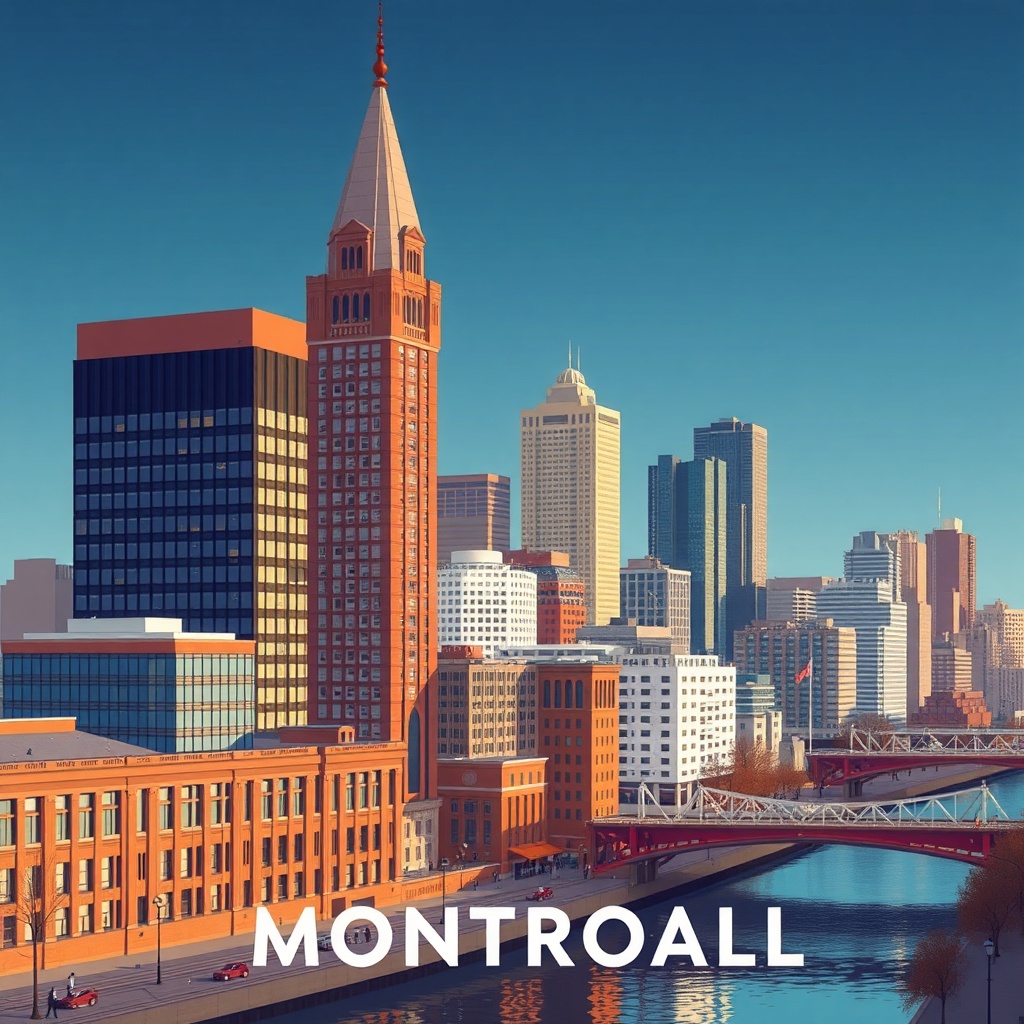
The city’s layered identity—historic architecture beside contemporary design, culinary traditions reimagined by young chefs, and a calendar of public events—creates a dynamic atmosphere that rewards lingering. Whether you’re sampling street food at a market, wandering mural-filled alleys, or savoring a late-night coffee in a neighborhood café, the best way to experience Montreal is to move at a local pace: slow, curious, and ready to return.