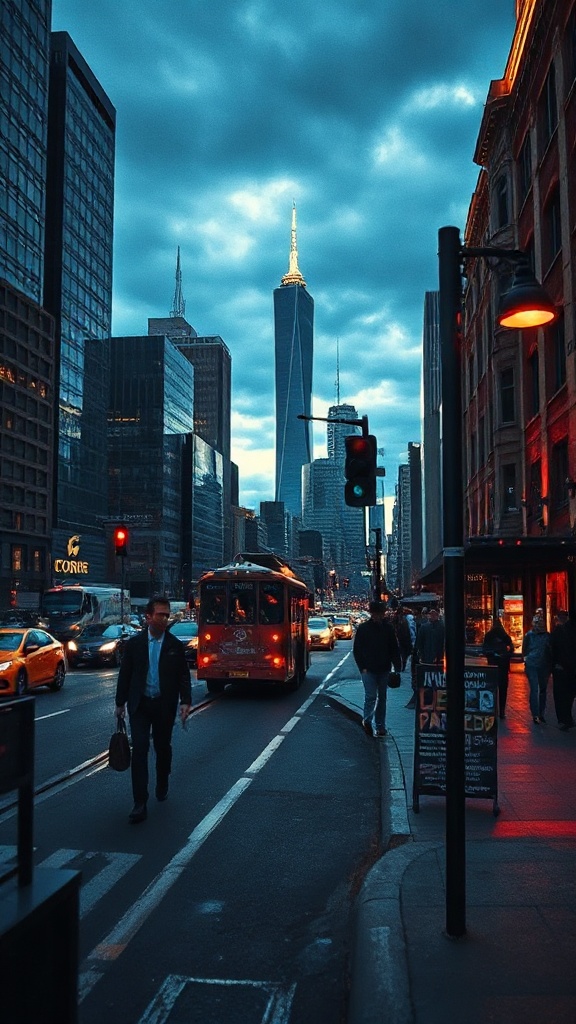
Montreal moves with a blend of old-world charm and forward-thinking energy. Whether you’re a first-time visitor, a new resident, or a long-time local, the city offers a compact mix of culture, cuisine, and green space that rewards exploration.
Start with the neighborhoods. Old Montreal keeps its cobblestone streets and historic façades, inviting slow strolls and gallery visits.
Nearby, the waterfront along the Old Port is a lively stretch for cycling, riverfront walks, and seasonal markets. The Plateau and Mile End neighborhoods are synonymous with creative life — think independent boutiques, mural-covered streets, and cafés where the coffee scene is taken seriously. St-Laurent Boulevard cuts through the city as a nightlife and dining artery; it’s where late-night food and music scenes pulse after dark.
Food is central to Montreal’s identity.
Beyond internationally known specialties like bagels and poutine, the dining landscape is a multicultural feast. From classic French bistros to vibrant Lebanese, Vietnamese, and Haitian kitchens, the city’s restaurants reflect diverse communities and a strong commitment to local ingredients. Don’t miss the public markets — Jean-Talon and Atwater are perfect for seasonal produce, baked goods, and artisanal finds.
Green space and outdoor life are surprisingly easy to access. Mount Royal’s lookout offers panoramic views and quiet trails that feel a world away from downtown. The Botanical Garden and adjacent parks are hubs for families and nature lovers, with themed gardens and tranquil ponds. A growing network of protected bike lanes and an expanded bike-share system make two-wheeled trips efficient and enjoyable, while many neighborhoods are increasingly walkable.
Arts and culture thrive year-round. Major museums host rotating exhibitions, and smaller galleries showcase emerging talent. The city’s calendar is filled with festivals and events that attract international artists and local talent alike, transforming streets and venues into stages for music, film, and street performance. Public art and mural projects give many districts a colorful, photogenic character that visitors love to discover.
Getting around is convenient. A comprehensive public transit system links neighborhoods to major attractions, and light-rail and rapid-transit investments have improved cross-city connections. For short trips, rideshares, scooters, and bike lanes offer flexible alternatives to driving. Parking in central areas can be limited, so planning ahead usually pays off.
Practical tips for a smooth visit: pack layers — Montreal’s weather can shift — and comfortable shoes for cobblestones and hills. Try to balance must-see attractions with time to get lost in side streets; some of the best cafés and shops are tucked away on quieter avenues.
If you’re dining out, many popular spots fill quickly, so reservations are a good idea, especially on weekends. For a local touch, visit a neighborhood market or a late-night smoked-meat counter where the city’s culinary roots are most visible.
Sustainability and innovation are visible in urban planning and local initiatives. Community gardens, pedestrian-focused streets, and green building projects shape neighborhoods while supporting a high quality of life. The city’s bilingual character — primarily French with widespread English use — adds to its cultural texture and makes it accessible for many visitors.
Montreal’s appeal lies in its contrasts: historic streets beside modern developments, neighborhood intimacy mixed with big-city cultural offerings, and an always-evolving food scene grounded in tradition.
For anyone curious about dynamic urban experiences with a human scale, Montreal offers an endlessly rewarding itinerary.