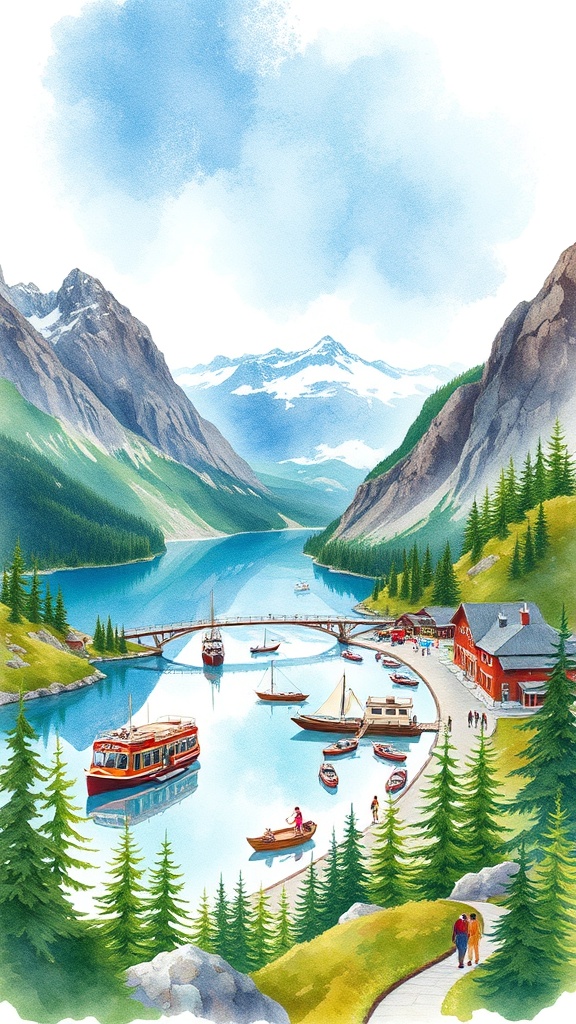
Canada rewards curious travelers with dramatic landscapes, lively cities, and a strong commitment to sustainable, culturally respectful tourism. From glacier-carved mountains and turquoise lakes to rugged Atlantic coastlines and Arctic tundra, there’s a travel experience for every pace and interest.
Why go: variety and accessibility
Canada’s vast size means it’s easy to combine outdoor adventure with urban culture. Major hubs offer international flight connections and regional networks of trains, ferries, and highways that make multi-destination trips straightforward. For those seeking quieter, low-impact travel, numerous smaller communities and provincial parks deliver authentic local flavour away from the crowds.
Must-see highlights
– The Rocky Mountains: Iconic vistas around Banff and Jasper lure hikers, skiers, and photographers. Scenic drives, hot springs, and abundant wildlife make this region a nature-lover’s must.
– Coastal British Columbia: Vancouver blends cosmopolitan dining and arts with easy access to rainforest hikes, whale watching, and island escapes.
– Niagara and the Great Lakes: Classic waterfall views, wine country, and boating opportunities are within easy reach of major cities.
– Quebec City and Montreal: Old-world charm, bilingual culture, and vibrant food scenes offer a rich mix of history, architecture, and festivals.
– The Atlantic provinces: Newfoundland and Labrador, Nova Scotia, Prince Edward Island, and New Brunswick provide dramatic cliffside landscapes, seafood cuisine, and warm hospitality.
– Canada’s North: For aurora viewing, dog-sledding, and Indigenous-led cultural experiences, the territories present unparalleled, remote adventures.
Cultural and Indigenous experiences
There’s growing emphasis on Indigenous tourism across the country, with opportunities to learn directly from Indigenous guides, artists, and communities. Look for certified Indigenous tourism operators and programs that prioritize authenticity, cultural protocols, and community benefit.
Outdoor activities and responsible travel
Canada is ideal for hiking, skiing, canoeing, cycling, and wildlife viewing.
National and provincial park systems offer well-maintained trails and interpretive centres. Practice Leave No Trace principles, respect seasonal wildlife closures, and follow park regulations—especially in bear country, where precautions like carrying bear spray and storing food properly can be lifesaving.
Urban food and festivals
Food scenes vary regionally: fresh Atlantic seafood, Quebecois specialties, diverse immigrant cuisines in major cities, and booming craft beer and natural wine movements. Cities host festivals year-round — art, music, and food celebrations — making it easy to time a visit around a local event.
Practical travel tips
– Entry and documentation: Many visitors need an electronic travel authorization or a visa; always verify entry requirements through official government channels before travel.
– Transportation: Domestic flights speed up long distances, while scenic rail routes and coastal ferries offer slower, scenic alternatives. Renting a car is ideal for exploring rural regions.
– Packing: Layered clothing works best for variable conditions. Summer brings bugs in some regions—pack repellent. Winter demands insulated gear and footwear.
– Reservations: Popular parks, lodges, and experiences often require advance booking, especially during peak seasons.
– Safety: Check local weather and trail conditions, carry a basic first-aid kit, and register plans if heading into remote areas.
Sustainable choices that matter
Support local businesses, choose certified eco-friendly operators, minimize single-use plastics, and respect Indigenous lands and cultural sites.
These choices help preserve destinations for future visitors and support local economies.
Whether chasing the Northern Lights, tasting regional cuisine, or exploring glacier-fed lakes, travel in Canada can be both transformative and sustainable.
Plan thoughtfully, respect local communities and environments, and you’ll discover why so many keep coming back.