A Living Mosaic: How Multiculturalism and Indigenous Resurgence Shape Canadian Culture
Canadian culture is best understood as a living mosaic—layers of Indigenous traditions, immigrant influences, regional practices, and contemporary creative currents that continually interact. This cultural dynamism shows up in language, food, music, festivals, and artistic expression, offering a rich, evolving identity that locals and visitors experience across cities, small towns, and remote communities.
Indigenous resurgence and language revitalization
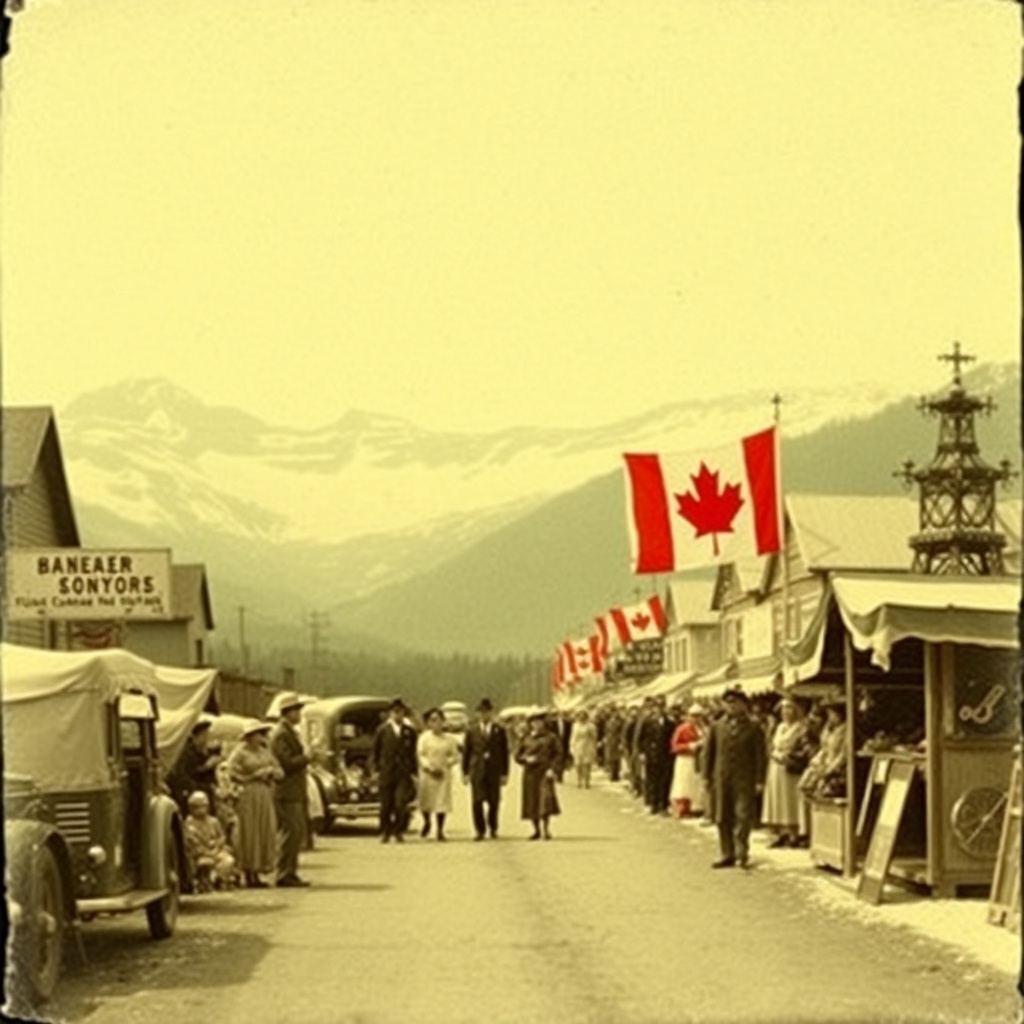
At the heart of Canadian culture are the traditions and knowledge systems of Indigenous Peoples. Across the country, communities are actively reclaiming languages, ceremonies, and arts that were suppressed by past policies. Language immersion programs, community-led cultural centers, and digital learning tools are contributing to a revival of Cree, Anishinaabemowin, Inuktut, and many other languages. Traditional arts—ceremonial regalia, beadwork, carving, and storytelling—are increasingly visible in galleries, schools, and public events, helping restore cultural continuity and educate wider audiences.
A culinary crossroads
Food in Canada reflects deep regional roots and broad multicultural influences. From coastal seafood traditions and prairie grain culture to urban food scenes that blend South Asian, East Asian, Caribbean, Middle Eastern, and European flavors, meals tell stories of place and migration. Street food markets and neighbourhood eateries have become cultural ambassadors, showcasing everything from slow-smoked Atlantic fish to vibrant plant-based fusion dishes. Classic comfort foods coexist with inventive dining concepts, making Canadian cuisine both familiar and constantly surprising.
Music, film, and the global stage
Music and film serve as powerful channels for cultural expression and international recognition. Artists draw inspiration from Indigenous musical forms, folk traditions, and global sounds, producing music that resonates across borders. Film festivals, independent cinemas, and streaming platforms amplify voices that explore identity, history, and social issues.
Storytelling in both Indigenous languages and English or French is contributing to a broader cultural conversation, creating work that is locally rooted yet globally relevant.
Multiculturalism and everyday life
Multiculturalism is visible not only in festivals and restaurants but in the fabric of daily life: bilingual street signage in some regions, community centres offering multilingual programs, and neighbourhoods where multiple cultural traditions coexist. Celebrations such as cultural parades, powwows, and neighbourhood festivals provide opportunities to learn, share, and build connections across communities. These interactions contribute to social resilience and a sense of belonging for newcomers and longstanding residents alike.
Urban and regional expressions
Cultural expression differs markedly between urban centres and rural or northern communities. Cities often act as creative hubs where diverse influences converge, while smaller communities maintain distinct local traditions and seasonal rhythms.
Northern arts and practices, informed by landscape and climate, offer perspectives that highlight relationships to land and water—an essential aspect of cultural identity for many communities.
Cultural engagement and accessibility
Accessibility and inclusion are increasingly shaping cultural institutions and events. Museums, galleries, and performing arts organizations are expanding programming to feature underrepresented voices and reduce barriers to participation. Digital platforms also play a role, allowing wider access to performances, exhibitions, and educational resources, and fostering intercultural exchange beyond provincial or territorial borders.
Experience the culture
Exploring Canadian culture means listening to diverse voices, tasting regional specialties, and attending community events where stories are shared. Whether through local galleries, Indigenous-led initiatives, multicultural festivals, or neighbourhood eateries, culture offers many entry points for curiosity and connection. The result is a dynamic cultural landscape that reflects a country shaped by many peoples, places, and traditions—always evolving, always inviting discovery.