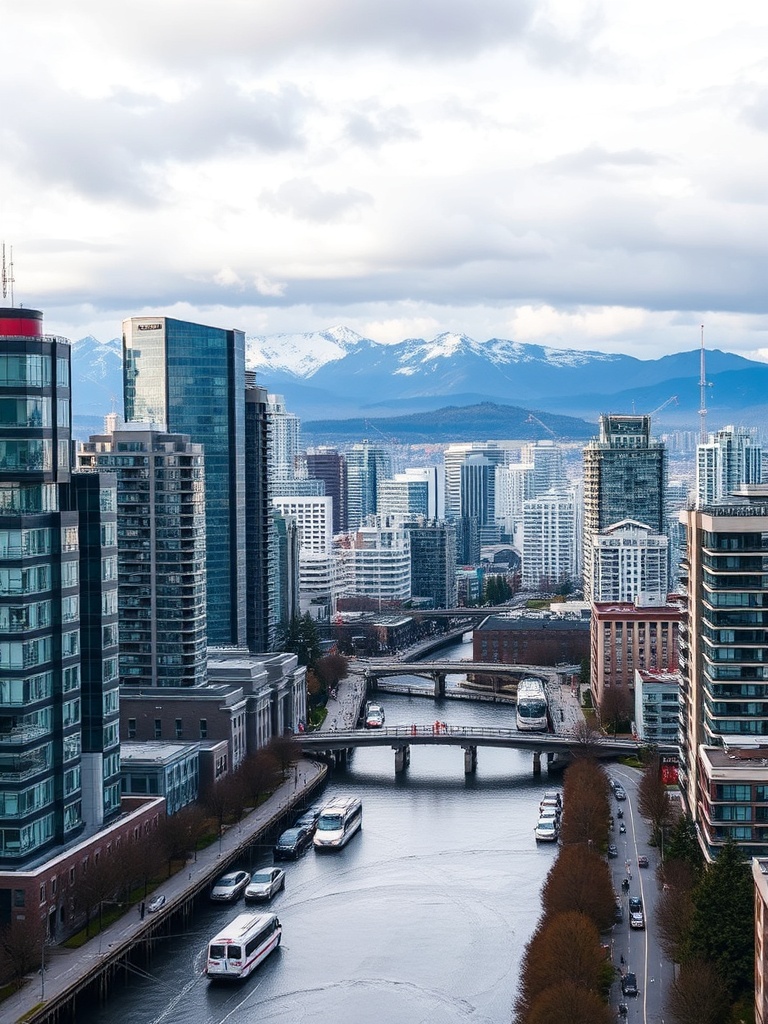
Vancouver’s appeal starts with its unique balance: a major Pacific coastal city with dramatic mountains, dense urban neighborhoods, and a deep commitment to green living. Whether you’re visiting or planning to move, understanding how to enjoy the city’s outdoor-first culture will help you make the most of every season.
Why Vancouver feels different
The city is built around nature — ocean, forests, and mountains are part of daily life. This proximity to outdoor recreation shapes local priorities: active transportation, public parks, and year-round outdoor events are common. Weather can be mild compared with interior climates, but frequent rain in the cooler months means flexible plans and good outerwear are essential.
Top outdoor experiences
– Stanley Park: An iconic waterfront loop offers seawall walking, cycling, beaches, and scenic viewpoints. Rent a bike or simply stroll the paths for skyline and water vistas.
– Granville Island: A lively public market, artisan shops, and harborfront dining make this compact peninsula a must-see for food lovers and craft enthusiasts.
– North Shore trails: Easily reachable from downtown, trail networks on the North Shore deliver hiking, mountain-biking, and panoramic viewpoints with surprisingly little travel time.
– Seaside routes and beaches: Kitsilano Beach and English Bay are popular in warm weather; waterfront paths are great year-round for runners and cyclists.
– Sea-to-Sky corridor (accessible by car or guided tours): Dramatic drives, waterfalls, and alpine hikes are within a short distance, offering high-reward day trips.
Neighborhoods that suit different lifestyles
– West End: Dense, walkable, and close to the seawall. A favorite for those who want city life with immediate beach access.
– Gastown and Downtown: Trendy dining, nightlife, and historic streets blended with high-rise living and easy transit connections.
– Mount Pleasant and Main Street: Creative, independent shops, breweries, and a cafe culture popular with young professionals and families.
– North Shore and West Vancouver: Quieter, with larger homes and direct access to trails and ski areas for outdoor enthusiasts.
Getting around
Public transit is efficient and extends across the metro region.
SkyTrain and the SeaBus connect key hubs; buses and cycling infrastructure fill in local routes.
For short journeys, bike-share and scooter services are commonly used. Driving is convenient for mountain or coastal escapes, but parking and traffic in central areas can be limiting — plan accordingly.
Food and culture highlights
Vancouver’s culinary scene reflects its coastal and multicultural roots. Fresh seafood, a strong Asian food presence, and a thriving farm-to-table movement dominate menus. Farmers’ markets, local craft breweries, and seasonal food festivals offer authentic ways to sample the region’s flavors.
Practical tips for a smooth visit or move
– Pack layers and a waterproof outer layer; conditions can change quickly.
– Buy a transit pass or reloadable fare card for cost-effective travel across modes.
– Book popular attractions and restaurants in advance during peak periods.
– Respect local trail etiquette: yield to uphill users, keep dogs leashed where required, and follow Leave No Trace principles.
Sustainable choices to consider
Vancouver’s emphasis on sustainability shows up in bike lanes, green buildings, and community programs. Choosing public transit, supporting locally owned businesses, and engaging with community green spaces are easy ways to participate in the city’s environmental goals.
Vancouver is best experienced slowly, with time to explore its neighborhoods, waterfronts, and nearby natural escapes.
Whether seeking active adventures, vibrant food scenes, or peaceful parks, the city offers a memorable blend of urban convenience and outdoor access.