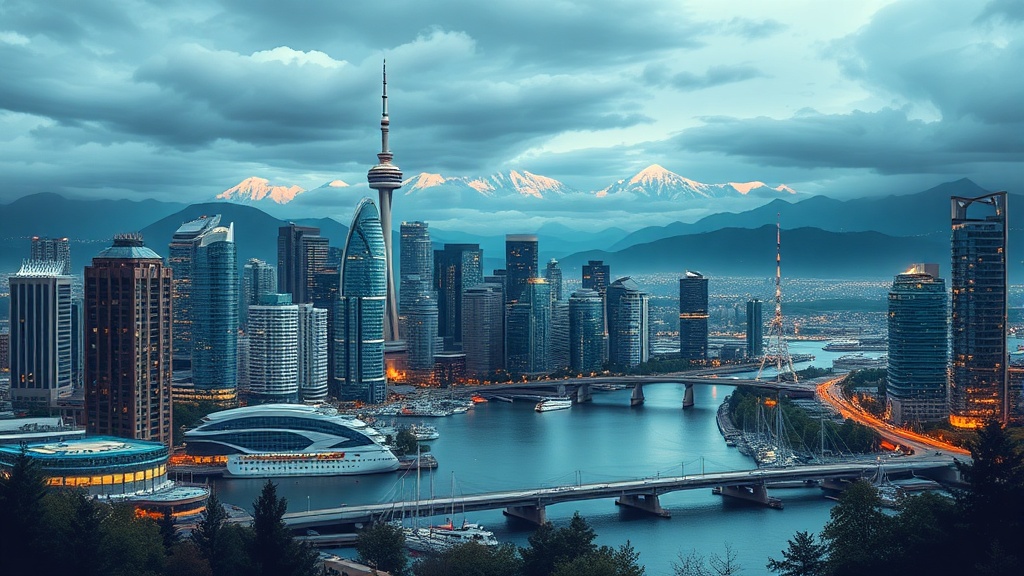
Vancouver blends dramatic coastal scenery with a forward-looking urban vibe, making it one of the most compelling cities to explore on the West Coast. Whether you’re planning a short visit or settling in, the combination of accessible outdoor adventure, a vibrant food scene, and strong sustainability initiatives creates a city experience that feels fresh and locally rooted.
Walk, bike, or roll along the Seawall
The Seawall is an essential Vancouver experience: a paved route that runs along the waterfront, circling Stanley Park and connecting the downtown peninsula to neighborhoods like Kitsilano and English Bay. Walking a portion of the loop gives panoramic views of the harbour and North Shore mountains. For faster sight-seeing, rent a bike through the city’s bike-share program or a local shop — many routes are well-marked and separated from traffic.
Stanley Park and the natural backyard
Stanley Park remains a green oasis steps from the downtown core. Beyond the Seawall, explore trails beneath towering cedars and Douglas firs, discover quiet beaches, and stop by historic landmarks and totem poles.
For more alpine adventure, the North Shore mountains are minutes away, offering hiking, mountain biking, and winter sports accessible by short drives or transit.
Neighborhoods full of character
Gastown offers cobblestone streets, boutique shops, and an iconic steam clock, while Granville Island’s public market is a must for fresh seafood, artisan goods, and lively food stalls. Commercial Drive has a multicultural atmosphere with independent cafes and specialty shops, and Kitsilano serves up relaxed beachfront vibes and yoga studios. Each neighborhood showcases a different facet of the city’s cultural fabric.
Food culture and local sourcing
Vancouver’s culinary scene emphasizes Pacific Northwest ingredients and sustainability. Expect seafood-focused menus, craft breweries, and a strong farm-to-table ethos. Markets, independent producers, and Indigenous-led food initiatives are increasingly part of the culinary landscape — seek out restaurants and pop-ups that highlight locally sourced fish, produce, and foraged ingredients.
Respect for Indigenous place and culture
Acknowledgement and engagement with local Indigenous communities — including Musqueam, Squamish, and Tsleil-Waututh — are central to understanding the region’s history and living culture.
Visit Indigenous-run galleries, cultural centers, and public art installations to learn about traditions, contemporary arts, and land stewardship practices that shape the city today.
Getting around sustainably
Vancouver’s transit network — including rapid transit, buses, and the SeaBus — connects key districts and makes car-free exploration realistic. The city’s expanding network of protected bike lanes and pedestrian-first streets supports active transportation. For visitors, contactless fare options and frequent service on major corridors simplify planning.
Practical tips for a smooth visit
– Pack for variable weather: coastal conditions can shift quickly, so layering is wise.
– Book popular attractions and dining in advance, especially weekend evenings.
– Respect trail etiquette: yield to uphill hikers, and keep dogs leashed where signs require it.
– Support local businesses and Indigenous enterprises when choosing tours, meals, and souvenirs.
Vancouver’s appeal comes from its successful balancing act: a bustling, creative urban center that never feels far from wilderness. Whether the draw is seaside strolls, mountain escapes, culinary discoveries, or thoughtful urban design, the city offers an accessible mix of experiences that reward repeat visits and deeper exploration.