Edmonton blends wide open natural spaces with a lively urban pulse, making it a compelling destination for visitors and a smart choice for residents. Known as “Festival City,” Edmonton’s calendar is packed with cultural events, while the North Saskatchewan River Valley offers the kind of outdoor access that’s rare for a provincial capital.
Whether you’re exploring the river valley, checking out the food scene, or keeping an eye on transit improvements, there’s plenty to discover.
River Valley and outdoor life
Edmonton’s River Valley is one of the largest urban park systems in North America, with hundreds of kilometres of trails, picnic spots, and lookout points. Popular activities include walking or cycling along connected pathways, paddleboarding or canoeing on the river, and winter sledding and cross-country skiing when temperatures dip. The park’s accessibility from downtown neighborhoods creates a seamless urban-nature experience that residents prize.
Arts, culture, and festivals
The city’s festival scene spans music, arts, theatre, and food. Major venues and intimate stages alike showcase local and touring talent; public art installations and seasonal outdoor events keep the city lively through changing seasons.
Museums, galleries, and the university’s cultural offerings add depth for arts lovers. Food festivals and markets are great ways to taste regional produce and meet local makers.
Neighbourhoods and urban living
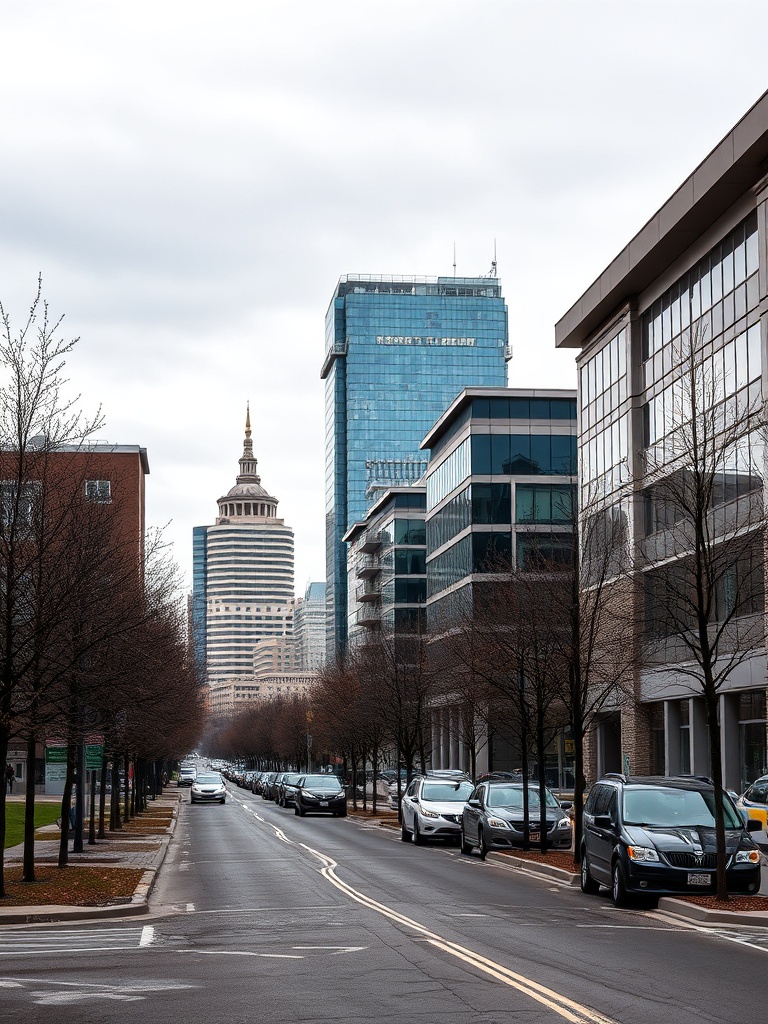
Edmonton’s neighbourhoods offer distinct characters. The downtown core and adjacent ICE District provide nightlife, pro sports, and entertainment hubs anchored by event venues and new high-rises. Old Strathcona and Whyte Avenue are known for eclectic shops, cafés, and a thriving arts scene. Riverdale and Highlands offer tree-lined streets and easy access to river trails, appealing to families and outdoor enthusiasts. Suburban communities continue to expand while infill and revitalization projects bring new housing choices closer to the center.
Transit and mobility
Transit improvements are actively shaping Edmonton’s mobility options. The city’s light rail network serves major corridors, and a major LRT expansion project is advancing to connect more neighbourhoods and reduce car dependency. Complementing rail are bus improvements, a growing cycling network, and expanded pedestrian infrastructure aimed at creating a more connected, low-carbon city.
Economy and innovation
Edmonton balances traditional resource sectors with a growing technology and research ecosystem driven by institutions like the local university and research parks. Startups and scale-ups have been gaining traction, supported by accelerators and co-working spaces. This diversification is creating opportunities in green technology, life sciences, and digital services.
Food, drink, and markets
A vibrant culinary scene has emerged, featuring everything from innovative fine dining to neighbourhood cafés and food halls. Local breweries, distilleries, and farmers’ markets spotlight Alberta ingredients and small-scale producers. For visitors, a food-walking tour or a visit to a weekend market is a great way to sample local flavours.
Practical tips
– Bring layers: Edmonton’s weather can change quickly, and layering keeps you comfortable.
– Use the River Valley as your orientation point: many attractions and trails connect to it.
– Check event listings before visiting to catch a festival, market, or theatre performance.
– Consider neighbourhoods based on lifestyle: lively downtown for city energy, Whyte Avenue for arts and nightlife, river neighbourhoods for outdoor access.
Edmonton’s mix of green space, culture, and urban development makes it a city worth exploring—whether you’re visiting for a weekend, scouting neighbourhoods to live in, or keeping an eye on a growing economic and cultural hub.