Montreal: lively culture, bold innovation, and neighborhoods worth exploring
Montreal remains a magnet for travelers, students, and professionals seeking a city that balances European charm with North American energy. Whether you’re drawn by world-class cuisine, a bustling arts scene, or growing tech and green sectors, Montreal offers neighborhoods and experiences that suit any pace.
Why Montreal stands out
– Bilingual culture: French is the primary language, but English and many other languages are widely used. This linguistic blend shapes the city’s distinctive culinary, creative, and business communities.
– Compact, walkable neighborhoods: From cobblestone streets in Old Montreal to leafy avenues on Mount Royal, the city’s scale makes it easy to explore on foot or by bike.
– Year-round cultural calendar: A steady stream of festivals, markets, and exhibitions keeps the cultural pulse strong through every season.
Top neighborhoods to visit or live in
– Old Montreal: Historic architecture, riverfront promenades, artisanal shops, and major museums.
Ideal for first-time visitors wanting a sense of the city’s roots.
– Plateau-Mont-Royal and Mile End: Creative hubs with colorful row houses, indie boutiques, secondhand shops, and some of the city’s best cafés, bagel shops, and pizzerias.
– Griffintown and Lachine Canal: Urban renewal meets waterfront life—modern condos, trendy restaurants, and recreational paths along the canal.
– Rosemont–La Petite-Patrie and Hochelaga-Maisonneuve: Family-friendly, more affordable areas with growing food scenes, parks, and local markets.
Food and drink highlights
Montreal’s culinary identity blends traditional Québécois favorites like poutine and smoked-meat sandwiches with global influences. Don’t miss authentic Montreal bagels, artisan chocolate shops, and thriving brunch culture. The city is also a hotspot for craft breweries and natural wine bars, where seasonal and locally sourced ingredients are a priority.
Getting around
Public transit is reliable for most city travel, supplemented by bike lanes, shared micro-mobility options, and expanding rapid transit links that are reshaping commuting patterns. For short trips, walking often reveals hidden shops, murals, and cafés you’d miss by car.
Arts, music, and festivals
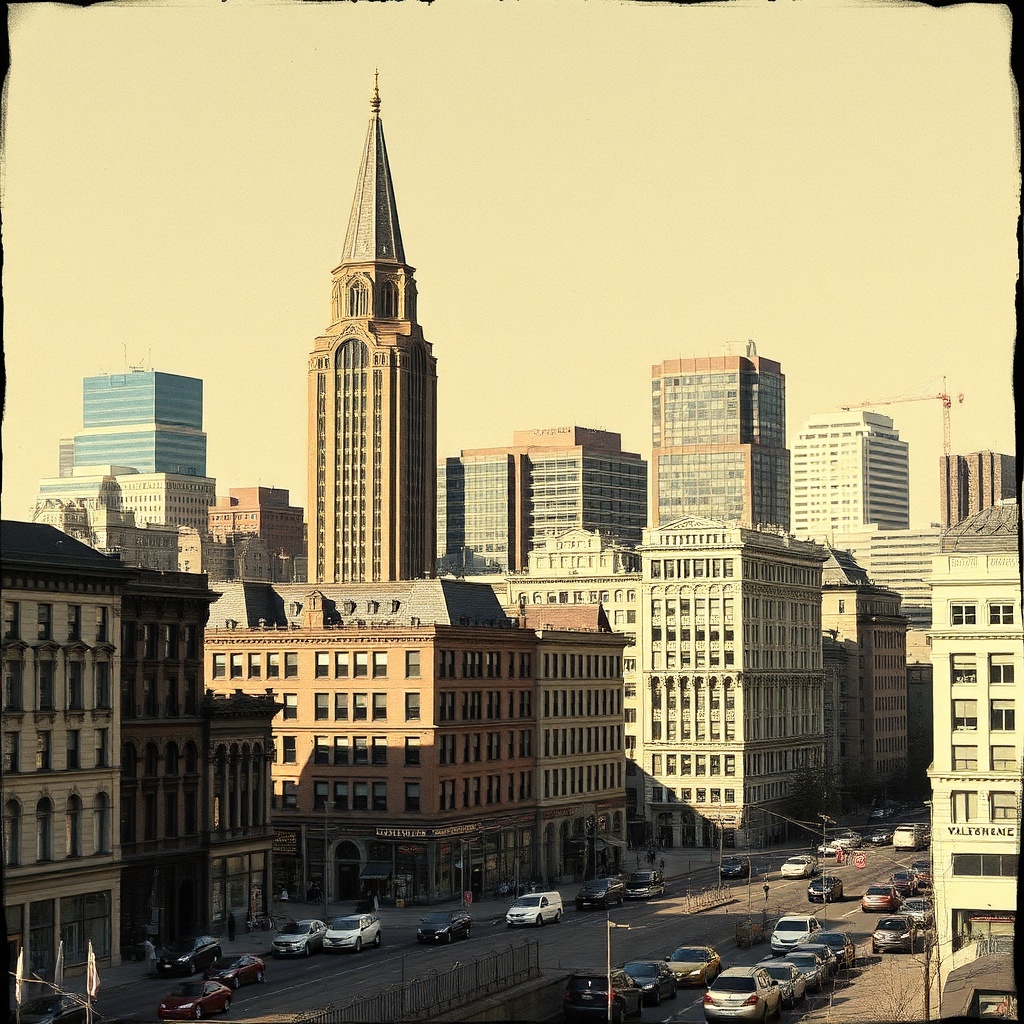
Montreal’s music venues and theaters are active throughout the year, from intimate jazz clubs to large outdoor stages. The city’s festival ecosystem supports everything from comedy and film to contemporary art and multicultural celebrations—making cultural discovery effortless for both residents and visitors.
Work and innovation
Montreal is now a recognized hub for tech, AI research, gaming, and creative startups.
Universities and research centers feed a talent pipeline that attracts investment and international partnerships, while local policies encourage sustainable development and culture-driven growth.
Outdoor life and green spaces
Parks, community gardens, and the iconic Mount Royal provide urban nature minutes from downtown. The Lachine Canal and riverfront promenades are popular for cycling, running, and family outings. Green initiatives—community composting, expanded cycling infrastructure, and river cleanups—reflect a growing civic focus on sustainability.
Practical tips
– Learn a few basic French phrases; locals appreciate the effort.
– Try food markets for seasonal produce and regional specialties.
– Pack layers—weather can change quickly, and microclimates vary across the island.
– Book popular restaurants and performances in advance, especially during festival periods.
Montreal continues to evolve while staying true to its cultural roots.
Whether you’re planning a short visit or a longer stay, the city rewards curiosity with neighborhoods to discover, a food scene that surprises, and a creative energy that keeps things fresh.